In numbers
• Unaccounted-for fuel reduced by 88%
• Generator runtime reduced by 52%
• Fuel used per unit of load reduced by 43%
• Generator energy output reduced by 34%
• Fuel consumption reduced by 16%
A Challenging Operating Environment
Keeping a telecom network live in Sierra Leone is genuinely hard. Grid supply is unreliable, reaching a site can take hours, and diesel – the fallback for everything – is both expensive and a persistent theft risk. That is the environment in which CrossBoundary Energy operates.
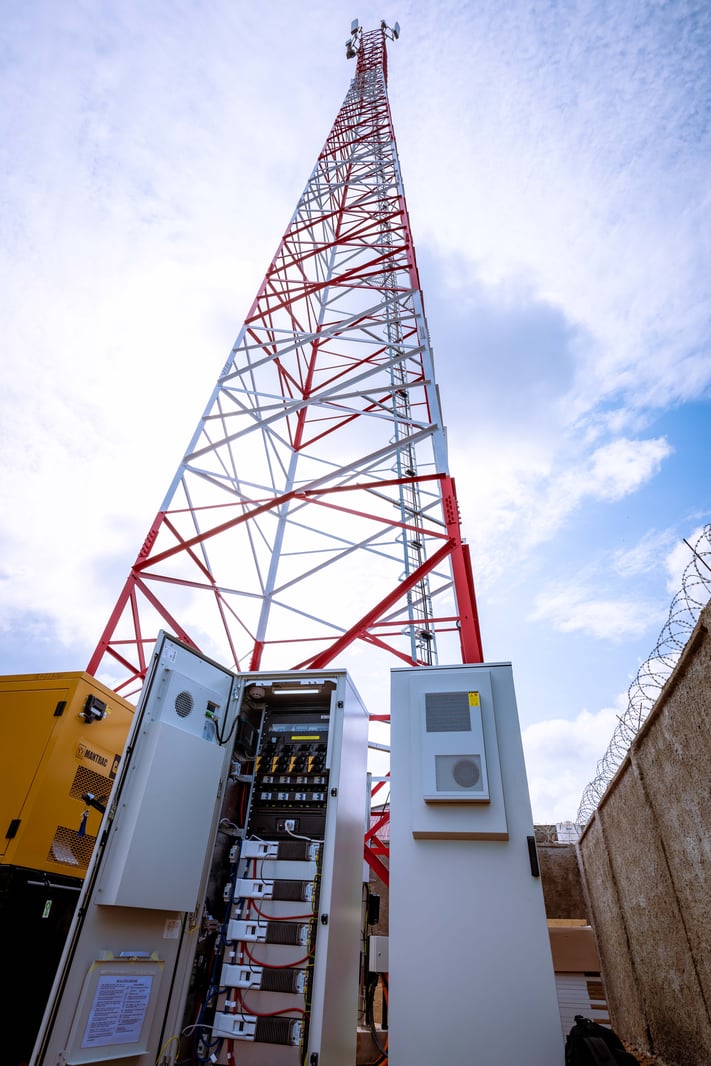
CrossBoundary Energy develops, owns and operates fully financed distributed renewable energy systems across underserved markets. In Sierra Leone, the company is responsible for powering Zoodlabs’ 5G network across 39 sites in and around Freetown. Each site runs on a hybrid mix of solar, battery storage, intermittent grid and diesel backup. Maintaining uptime means constantly balancing performance, cost and risk – across dozens of locations simultaneously.

Monitoring That Didn’t Actually Help
When the network launched in 2024, CrossBoundary Energy had a conventional remote monitoring system in place – third-party RMS hardware feeding into a cloud platform. In practice, it fell well short of what was needed
Telemetry was patchy and inconsistent. The data that did come through was difficult to trust, and the platform itself didn’t do much with it beyond presenting raw figures. Operational decisions were made largely on need rather than proactivity, and inefficiencies across the network stayed invisible.
What Became Visible – and What Changed
Once CBE had data it could trust, patterns that had been invisible started coming into focus. Continuous monitoring of generator activity and fuel levels made discrepancies visible in near real time. Rather than waiting for a periodic check to flag a problem, CrossBoundary Energy could identify and investigate fuel loss as it happened. That is where the 88% reduction in unaccounted-for fuel came from: not a single intervention, but persistent visibility applied consistently across the network. Analysis of solar generation and battery behaviour surfaced separate inefficiencies – including cases where available solar output wasn’t being fully used. Those findings fed directly into operational changes.
Maintenance management changed too. CrossBoundary Energy can now link reported field activity to actual measured performance. In one instance, a contractor reported cleaning solar panels; PowerX data showed no corresponding improvement in generation. CrossBoundary Energy challenged the report, and the work was done properly. That kind of verification had simply not been possible before.
“PowerX has fundamentally improved how we operate the Zoodlabs network. We now have complete visibility across every site, and that has allowed us to reduce fuel consumption, improve efficiency, and eliminate issues that we simply could not see before. The impact is not just operational – it is financial. We are delivering more reliable power, saving costs, and have far greater control.”
Raphael George, Operations and Maintenance Manager at CrossBoundary Energy
“Most operators have monitoring. Very few have true operational intelligence. What PowerX delivers is the ability to see clearly, understand what is happening across complex energy systems, and then act on it. By combining high-quality data with AI-driven insights, we identify optimisation opportunities that simply do not exist in traditional systems. That is how operators move from reacting to problems to continuously improving performance.”
Andrew Schafer, CEO, PowerX
Rethinking the Role of Diesel
One finding has prompted a broader conversation about network design. At several sites, solar and battery storage have consistently carried the load – with generators sitting idle for extended periods. That raises an obvious question: does every site actually need a generator?
In a number of cases, the answer may well be no. Increasing battery capacity could be both cheaper and lower-risk than maintaining diesel infrastructure that rarely runs. That assessment is now underway, informed by actual performance data rather than assumption.
A Foundation for What Comes Next
Beyond the headline numbers, something more fundamental has shifted. CrossBoundary Energy’s operations have moved from reactive – responding to problems after they appear – to proactive, with continuous visibility across all 39 sites making it possible to catch and correct issues before they become costly.
As the network grows, that foundation scales with it. CrossBoundary Energy can take on more sites without losing control, because the operating model no longer depends on periodic checks and educated guesses. It depends on data.